Mastering French with Duolingo: A Strategic Guide for Indian Learners
- Arko Madhu
- Jul 26, 2025
- 3 min read
French holds a special place in the hearts of Indian language learners. As the second most popular language after English among Indian Duolingo users, it attracts thousands of enthusiastic learners every day. While French is often considered relatively approachable for English speakers, many learners hit roadblocks in two critical areas: listening comprehension and speaking confidence.
If you're struggling with these challenges or want to maximize your Duolingo French journey from the start, this strategic approach will transform how you learn.
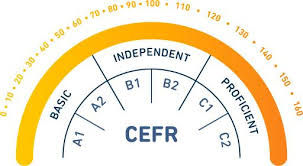
The Foundation Phase: A1-A2 Levels
Timeline: Complete in 6 weeks maximum
Duolingo truly shines during the foundational stages. Focus intensively on these levels:
A1 Level Structure:
Rookie (10 units)
Explorer (22 units)
Traveler (30 units)
A2 Level:
Trailblazer section
Note that for Duolingo these unit arrangements have now changed and aligned according to CEFR levels. The focus of this blog is to teach the learning methodology to maximize effectiveness using Duolingo. During this phase, Duolingo's repetitive exercises and practice sessions are invaluable for building vocabulary retention and grammatical understanding. The app's gamified approach helps maintain motivation while you acquire the most essential French words and structures.
The Strategic Transition
Once you complete A2, it's time for a crucial shift: make Duolingo your secondary tool and introduce comprehensive learning materials, such as textbooks or structured courses. This transition is key to continued progress.
However, the real secret to success lies not in what you study, but how you study.
The Two-Step Method That Changes Everything
Most learners make a critical mistake: they rely too heavily on written text and neglect the audio component. Here's how to fix this:
Step 1: Listen First, Read Second
Before looking at any written text, listen to the audio and try to understand what's being said. Make your best guess about the meaning and pronunciation. Only after this listening attempt should you look at the written text to check new words and spellings.
This approach trains your ear for authentic French pronunciation and rhythm patterns that you'll encounter in real conversations.
Step 2: Speak Every Sentence
After completing each exercise, practice speaking the sentence aloud. Don't just move on to the next question. This simple habit builds the muscle memory and confidence essential for actual French conversation.
Why This Method Works
These two techniques might seem basic, but they address the core weaknesses that plague many Duolingo learners:
Listening skills develop naturally when you prioritize audio over text
Speaking confidence builds gradually through consistent practice
Pronunciation improves through active repetition
Real-world readiness increases as you simulate actual language use
Accelerate Your Progress
Dedicated learners who follow this method often complete A1 and A2 in less than six weeks, especially when utilizing Duolingo's placement tests to skip units they've already mastered.
The key is consistency and intentional practice rather than passive consumption.

Beyond Duolingo
Remember, while Duolingo provides an excellent foundation, true fluency requires diverse learning experiences. Use this strategic approach during your Duolingo phase to build strong listening and speaking fundamentals, then expand your learning toolkit with authentic French media, conversation practice, and formal instruction.
Your French journey doesn't have to be derailed by common stumbling blocks. With this focused approach, you'll build the confidence and skills needed to succeed in real French communication.
Ready to transform your French learning? Start implementing these two simple strategies in your next Duolingo session and experience the difference for yourself.


Comments